Do Root Canals Hurt? The Modern Truth About Pain and Recovery
Few dental treatments are as feared as a root canal. Over the years, stories have been shared that make many patients think the procedure is incredibly painful. However, the truth has changed significantly. With improvements in imaging, anaesthetics, and dental techniques, root canals in West Jordan have evolved into a procedure that is not only predictable but also comfortable and highly successful. In most cases, the treatment actually helps relieve pain rather than inflict it. If you’re feeling anxious about what to expect during or after the procedure, understanding how modern dental care works can help alleviate some of that fear. Let’s debunk the myths and explore what patients typically experience before, during, and after their treatment.
Why Root Canals Have an Unfair Reputation
In the past, dental technology had its limitations. Anaesthesia wasn’t as effective, diagnostics took longer, and patients frequently delayed seeking help until their infections were quite severe. This created a stigma around root canals, associating them with pain. Today, however, dentists are able to identify issues sooner, numb teeth more effectively, and utilize tools that enhance both efficiency and accuracy. Research consistently indicates that patient experiences are now similar to those of a routine filling. Nevertheless, the old narratives persist.
What a Root Canal Actually Treats
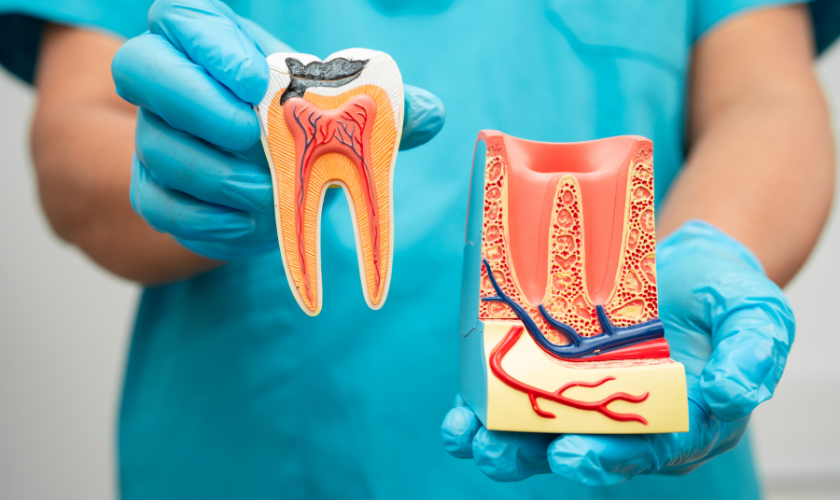
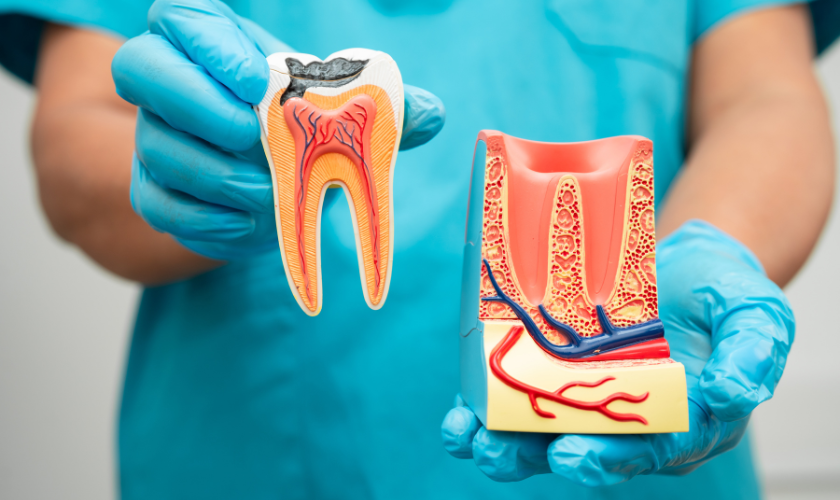
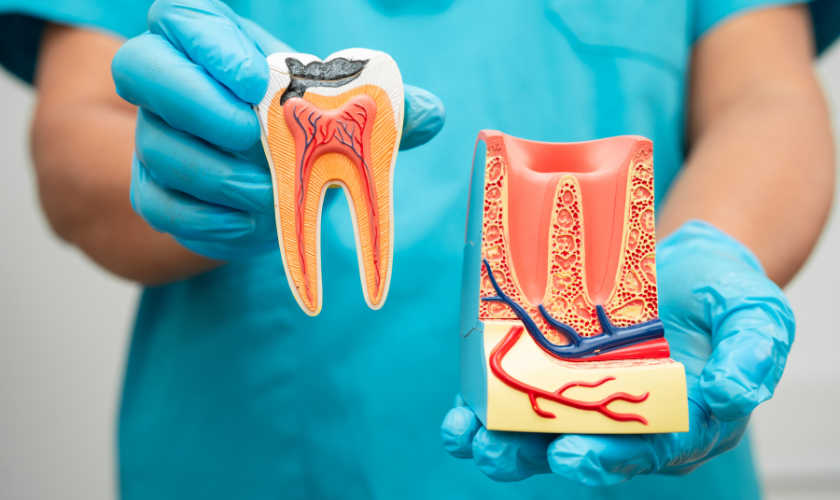
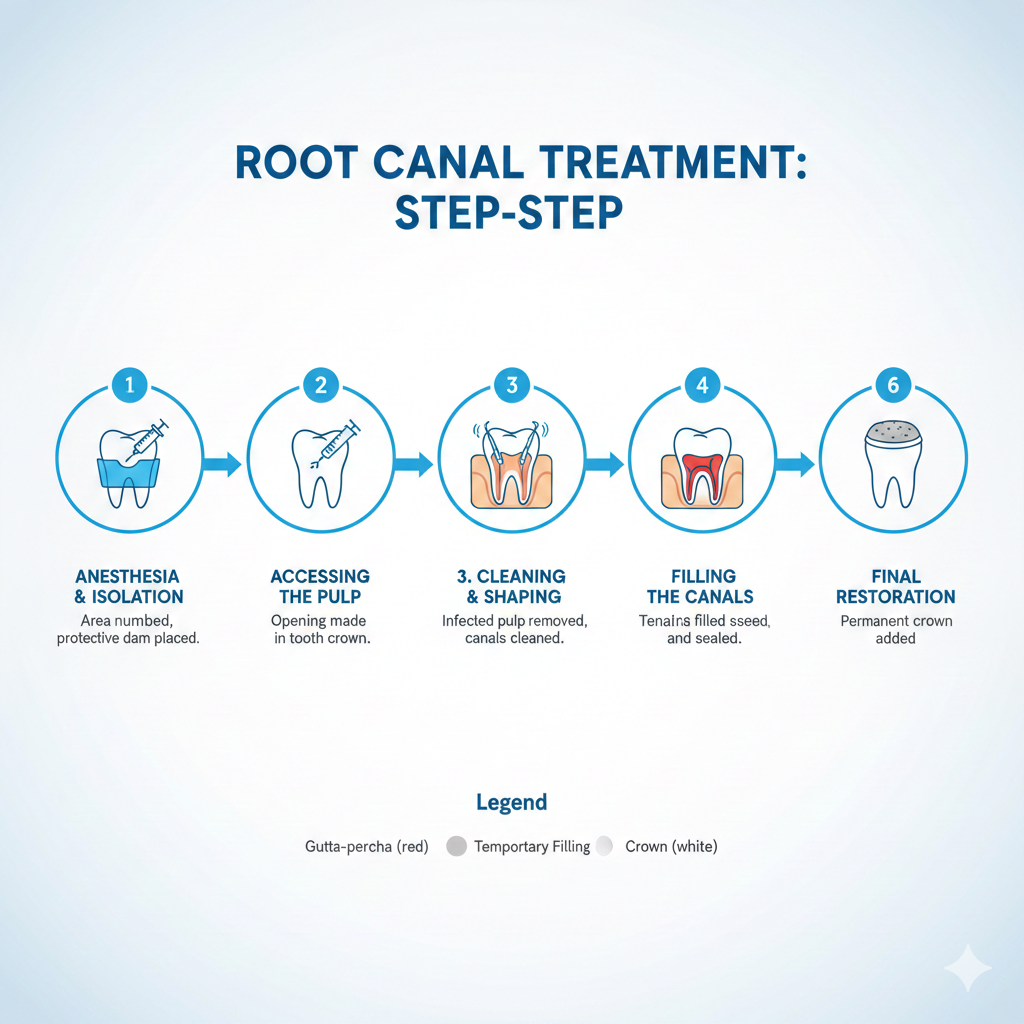
Every tooth has a soft tissue called pulp, which houses nerves and blood vessels. If bacteria get in through decay, cracks, or trauma, an infection can occur. This causes pressure to build up, leading to pain. A root canal procedure removes the infected tissue, disinfects the area, and seals it to stop bacteria from coming back. Once the source of inflammation is dealt with, relief usually follows swiftly.
Why Removing the Nerve Stops Pain
The intense ache people feel before treatment comes from infection and swelling. Once the damaged tissue is gone, the body can heal.
In other words, the procedure is the solution to pain, not the cause.
Do Root Canals in West Jordan Hurt During the Procedure?
Many patients are surprised by how routine the visit feels. One question that dentists hear all the time is about whether it hurts. The straightforward answer is that patients are usually numbed quite well. You might feel some pressure or movement, but sharp pain? Not really! Thanks to modern local anesthetics, they’re super effective. Dentists also take the time to check the area before they begin, just to make sure you’re feeling good. If anything feels off, they can quickly add more anesthetic. A lot of patients are often taken aback by how routine the whole experience turns out to be.
Comfort Technology Makes a Difference
Clinics offering Root Canals in West Jordan often use digital imaging, rotary instruments, and advanced irrigation systems. These innovations shorten treatment time and improve precision.
Shorter appointments mean less stress on the jaw and a smoother overall experience.
Anxiety Control Options
For those who might be feeling a little on edge, there are extra resources that can help. Using relaxation techniques or sedation can really smooth out the visit and make it a lot easier to handle. Staying calm can significantly improve how your body reacts to treatment.
What You Might Feel After a Root Canal
Severe pain after modern therapy is uncommon. After the numbness subsides, it’s normal to feel a bit of tenderness. You might even notice that the ligament around the area feels bruised, especially when you’re chewing. The good news is that this usually gets better in just a few days. Most people find that over-the-counter anti-inflammatory medication does the trick for recovery, but your dentist will give you specific advice just for you. It’s also important to know that severe pain after modern therapy is quite uncommon.
Why Some Soreness Happens
Even though the infected pulp has been removed, the surrounding tissues need some time to adjust. It’s like healing from a sprained ankle; the injury has been dealt with, but you still need to give your body a little time to recover.
How Long Does Recovery Take?
Most people return to normal activities the next day. Eating on the treated side may feel uncomfortable for a short period, so softer foods are recommended until a final restoration is placed.
Once a crown protects the tooth, function typically returns to normal.
The Real Risk: Avoiding Treatment
When you postpone dental care, you often end up facing way more discomfort than the procedure itself would cause. An untreated infection can spread into the bone and nearby tissues, resulting in swelling, abscesses, and intense pressure. At that stage, getting treatment becomes a lot more complex. By taking care of the problem early with Root Canals in West Jordan, you can prevent it from getting worse and keep your natural teeth healthy.
Why Saving Your Natural Tooth Matters
Extraction may seem simpler, but losing a tooth can affect bite alignment, chewing ability, and jaw health.
Replacing a missing tooth often requires implants or bridges, which involve additional time and cost.
A successful root canal keeps your original structure in place, maintaining stability throughout the mouth.
Long-Term Success Rates
Root canal therapy is known for its high success rate. When you follow up with proper restoration and maintain good hygiene, many of those treated teeth can last a lifetime. Don’t forget, regular dental visits are crucial for keeping track of your healing and making sure everything remains in great condition.
Modern Techniques That Reduce Discomfort
Dentistry has transformed significantly over time. Today, the main goal is to prioritize patient comfort from the moment they walk in until they leave.
Precise Diagnosis
With the help of digital X-rays and sometimes 3D imaging, dentists can get a precise view of the canal shapes and the level of infection. This improved planning results in more efficient procedures.
Improved Instrumentation
Flexible nickel-titanium files can clean canals efficiently while preserving natural tooth structure.
Better Sealing Materials
Advanced filling materials block bacteria and support long-term stability.
Who Might Experience More Sensitivity?
Each patient is different. For those with significant infections or swelling in their teeth before treatment, the healing process might take a little longer. However, most individuals notice that their discomfort diminishes rapidly compared to how they felt before the procedure.
Tips for a Smooth Recovery
Make it a point to follow the aftercare instructions carefully. Avoid chewing hard foods in that area until your dentist gives you the thumbs up. Keep brushing and flossing as you normally would, and don’t forget those follow-up appointments. If anything feels unusual, reach out to your dental office promptly.
Emotional Relief is Real Too
Pain is not only physical. Worry about an unresolved dental problem can create stress.
Completing treatment often brings significant peace of mind. Patients know the infection is gone and their smile is protected.
Understanding the Role of the Final Crown
After many Root Canals in West Jordan, placing a crown is the final step. This cap strengthens the tooth and prevents fracture.
Skipping this phase increases the risk of damage later, so it is an essential part of long-term success.
Why the Fear Continues Despite Better Reality
Human beings remember dramatic stories more than routine ones. A single negative tale can overshadow hundreds of comfortable experiences.
Accurate information helps balance perception with fact.
Conclusion
So, do root canals hurt? With modern dentistry, the overwhelming majority of patients say no. The procedure is designed to eliminate infection, relieve pressure, and restore health.
Some temporary soreness may follow, but it is usually mild and manageable. Waiting, on the other hand, often leads to far more serious pain.
If you have been living with persistent tooth discomfort, learning about today’s techniques can help you approach care with confidence instead of fear. Call now to schedule your appointment. Relief is not only possible—it is expected.
FAQs
1. Is a root canal more painful than a filling?
Most patients at Copperfield Family Dental are surprised to learn that a root canal feels very similar to getting a dental filling. With modern anaesthesia and gentle techniques, the procedure is designed to relieve pain — not cause it. In fact, many West Jordan patients say they feel immediate relief once the infection is treated.
2. How long will my tooth feel sore after a root canal?
It’s normal to have mild tenderness for a few days after your root canal treatment. Most patients in West Jordan notice steady improvement within 3–5 days. Any temporary soreness can usually be managed with over-the-counter pain medication and typically fades as healing progresses.
3. Can I go back to work the same day after a root canal?
Yes. Many patients at Copperfield Family Dental return to work, school, or daily activities the same day. Since the procedure is performed using local anesthesia, there’s minimal downtime and no need for extended recovery.
4. What happens if I delay root canal treatment?
Delaying treatment can allow the infection to spread deeper into the tooth and surrounding bone. This may cause swelling, increased pain, or even tooth loss. Seeking prompt care in West Jordan helps protect your smile and prevents more complex dental problems later.
5. Will I need a crown after a root canal?
In many cases, yes. After a root canal, the treated tooth can become more fragile over time. A custom dental crown placed at Copperfield Family Dental helps restore strength, function, and appearance — so you can chew comfortably and confidently.
Related Articles