Full vs Partial vs Implant Dentures: Which Is Right for You
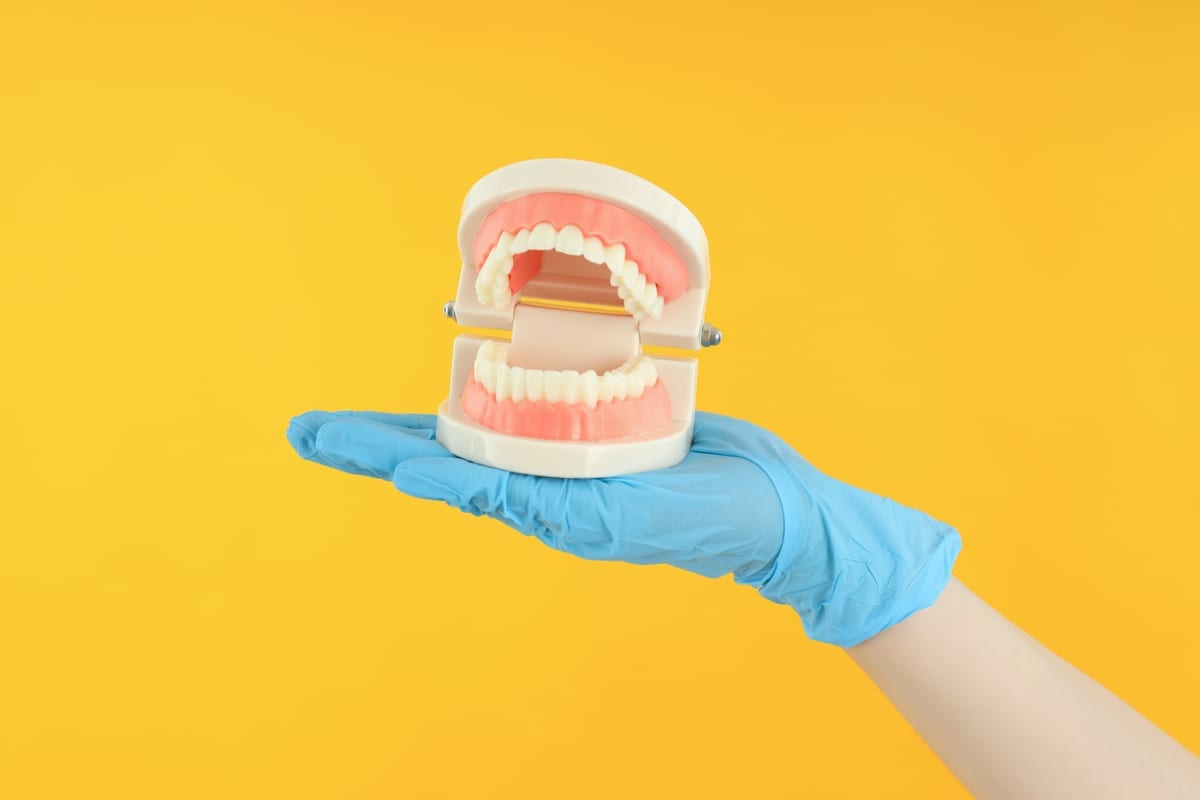
Choosing between full vs partial vs implant dentures is one of the most important decisions you can make for your smile. Each option works differently, suits different needs, and involves a unique process. If you’re in West Jordan and weighing your options, understanding these differences helps you make a confident choice. At Copperfield Family Dental, Dr. Jeremy Mahoney helps patients find the right fit every day.
Understanding Full Dentures: Who They Suit and How They Work
Full dentures replace an entire arch of missing teeth. They rest directly on your gums and are held in place by suction and denture adhesive. This option works best for patients who have lost all or most of their natural teeth on the upper, lower, or both arches.
The process typically begins with extractions if any remaining teeth need removal. Your gums then need time to heal — usually several weeks. After healing, Dr. Mahoney takes precise impressions of your mouth to create custom-fitted dentures.
Full dentures are a time-tested, non-surgical solution. They restore your ability to chew, speak, and smile with confidence. However, they do require regular adjustments over time as your jawbone changes shape.
- Best for patients with no remaining natural teeth
- Non-surgical and more affordable upfront
- Removable for easy cleaning
- May require periodic relining as bone changes
- Can be ready within a few weeks after healing
Partial Dentures in West Jordan: Filling the Gaps Naturally
Partial dentures are designed for patients who still have some healthy natural teeth. They clip onto existing teeth using metal or tooth-colored clasps. This creates a stable base while filling in the spaces left by missing teeth.
The process starts with an evaluation of your remaining teeth and gum health. Dr. Mahoney takes impressions and works with a dental lab to create a custom partial that blends with your natural smile. Fittings and adjustments ensure a comfortable, secure fit.
One key benefit of partial dentures is that they help prevent remaining teeth from shifting. Shifting teeth can lead to bite problems and additional tooth loss over time. Partial dentures protect your overall oral health while restoring your smile.
- Ideal for patients with some remaining healthy teeth
- Less invasive than implants — no surgery required
- Helps prevent remaining teeth from drifting
- Removable and easy to clean at home
- More cost-effective than full mouth reconstruction
If you also have minor tooth damage, pairing a partial denture with Tooth Colored Fillings West Jordan can restore both function and aesthetics seamlessly.
Implant-Supported Dentures: The Strongest, Most Stable Option
Implant-supported dentures combine the coverage of dentures with the stability of dental implants. Small titanium posts are placed into your jawbone to act as artificial tooth roots. The denture then snaps or screws onto these implants for a secure, natural feel.
This option suits patients who want a more permanent, stable solution. It also benefits patients whose jawbone has been affected by tooth loss. Implants stimulate the bone, preventing the bone loss that often occurs with traditional dentures.
The process involves a surgical phase to place the implants. After a healing period — typically three to six months — the custom denture is attached. The result is a denture that stays firmly in place while you eat, talk, and laugh.
Patients interested in this approach can explore Dental Implants West Jordan to learn more about candidacy and the full process with Dr. Mahoney.
- Stays firmly in place — no slipping or adhesives needed
- Preserves jawbone and prevents bone loss
- Feels and functions most like natural teeth
- Long-lasting with proper care
- Improves confidence in eating and speaking
Comparing Your Options: Which Type Is Right for You in West Jordan?
The right denture option depends on several personal factors. These include how many teeth you’re missing, your overall bone health, your timeline, and your long-term goals. No single option fits every patient — that’s why a thorough consultation matters.
Full dentures are the best fit when all teeth are missing and a non-surgical solution is preferred. Partial dentures work well when healthy teeth remain and a removable option is desired. Implant-supported dentures are the premium choice when stability and bone preservation are top priorities.
Here’s a simple way to think about it:
- Full dentures — all teeth missing, non-surgical preference
- Partial dentures — some teeth remaining, budget-conscious option
- Implant dentures — maximum stability, long-term investment, bone health focus
Dr. Mahoney evaluates each patient individually. He considers your jawbone density, gum health, and personal goals before recommending a path forward. West Jordan patients receive honest, patient-centered guidance at every step.
What to Expect During Your Consultation at Copperfield Family Dental
Your first step is a comprehensive exam with Dr. Mahoney. He will review your dental and medical history, take digital X-rays, and assess your current oral health. This gives him a complete picture of your needs before any recommendation is made.
From there, he will walk you through each applicable option in plain language. You will understand the process, the timeline, and what maintenance looks like for each choice. There is no pressure — just clear, honest information tailored to your situation.
West Jordan patients appreciate this straightforward approach. Knowing what to expect at every phase makes the process feel manageable and stress-free. Dr. Mahoney and the Copperfield Family Dental team are committed to making your experience as comfortable as possible.
Frequently Asked Questions
How long do traditional dentures last?
Full and partial dentures typically last between five and ten years with proper care. Over time, your jawbone and gum tissue change shape, which can affect the fit. Regular checkups with Dr. Mahoney help ensure your dentures continue to fit comfortably and function well.
Are implant-supported dentures permanent?
The implant posts placed in your jawbone are designed to be permanent. The denture attached to them can be removed for cleaning in some designs. With good oral hygiene and routine checkups, implant-supported dentures can last many years — often decades.
Can I eat normally with dentures?
Most denture wearers adapt well over time and can enjoy a wide variety of foods. Implant-supported dentures offer the greatest chewing strength. Traditional full and partial dentures may require some dietary adjustments, especially in the beginning.
How do I care for my dentures at home?
Remove and rinse your dentures after eating each day. Brush them gently with a soft brush and non-abrasive cleanser. Store them in water or a denture-soaking solution overnight to prevent them from drying out and warping.
Am I a good candidate for dental implants in West Jordan?
Most adults in good general health with adequate jawbone density are candidates for implants. Factors like bone loss, gum disease, or certain health conditions may require additional treatment first. Dr. Mahoney will evaluate your suitability during your consultation at Copperfield Family Dental.
Making the right denture choice takes expert guidance and a clear understanding of your options. Dr. Jeremy Mahoney and the team at Copperfield Family Dental are here to help West Jordan patients find solutions that truly fit their lives. Book Now to schedule your appointment with our team.
Related Articles