8846 South Redwood Road, Suite N 201 West Jordan, UT 84088
Many South Jordan Heights patients ask the same question: do dental implants really last a lifetime? It is one of the most important questions you can ask before investing in tooth replacement. The short answer is — yes, they can. But a few key factors determine whether your implants go the distance.
Dr. Jeremy Mahoney at Copperfield Family Dental – West Jordan has helped many patients in South Jordan Heights and the surrounding area restore their smiles with implants. This article breaks down exactly how long implants last, what shortens their lifespan, and what you can do to protect them for decades to come.
How Long Do Dental Implants Actually Last?
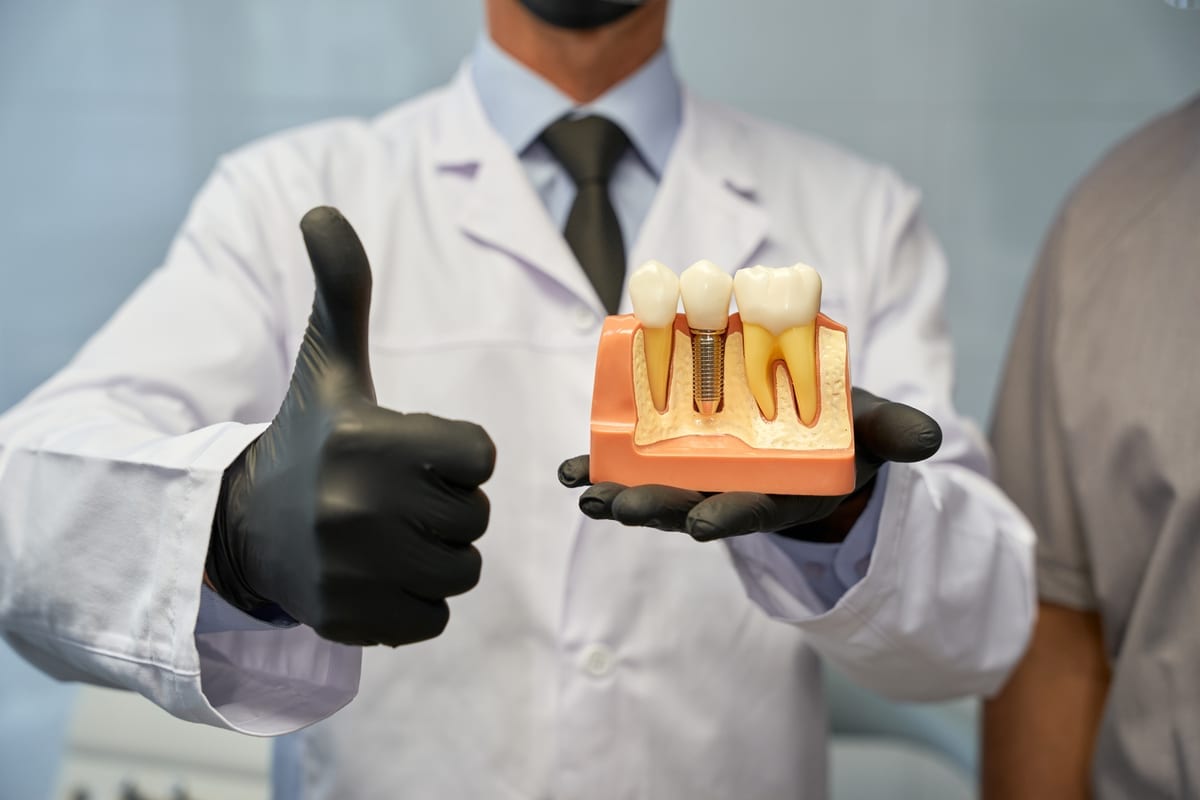
Dental implants are designed to be a permanent solution. The titanium post fused into your jawbone can last 25 years or longer. Many patients keep their implants for a lifetime with proper care.
The crown attached to the implant typically lasts 10 to 15 years. It may eventually need replacement due to normal wear and tear. However, the implant post itself rarely needs to be replaced if it integrates well with the bone.
Clinical studies back this up. Research shows implant survival rates above 95% at the 10-year mark. That makes them one of the most reliable tooth replacement options available today.
Key Factors That Affect Implant Longevity in South Jordan Heights
Not every implant lasts equally long. Several factors influence how well your implant holds up over time. Understanding these factors helps you make informed decisions before and after your procedure.
Here are the most common factors that shorten implant lifespan:
- Poor oral hygiene — Plaque buildup can cause peri-implantitis, an infection around the implant
- Smoking or tobacco use — Nicotine restricts blood flow and slows healing significantly
- Uncontrolled diabetes — High blood sugar impairs bone integration and immune response
- Teeth grinding (bruxism) — Chronic grinding puts excessive force on the implant crown
- Bone loss — Insufficient jaw density can cause implant failure over time
- Skipping dental checkups — Missed visits allow small problems to become major complications
Many of these risks are manageable. Talking openly with Dr. Mahoney before your procedure helps identify and address potential concerns early.
What You Can Do to Make Your Implants Last a Lifetime
The good news is that patients have real control over implant longevity. Simple daily habits make a significant difference. Most of the best practices are ones you already know.
Follow these steps to protect your implants for the long term:
- Brush twice daily using a soft-bristle toothbrush around the implant site
- Floss daily with implant-safe floss or a water flosser to remove debris
- Avoid chewing ice or hard foods that can crack or loosen the crown
- Attend regular cleanings every six months at Copperfield Family Dental
- Wear a night guard if you grind your teeth during sleep
- Quit smoking to dramatically improve long-term implant success rates
These habits are not complicated. They are the same routines that protect your natural teeth. Consistency is the real key to lasting results.
How Implants Compare to Other Tooth Replacement Options
It helps to compare implants against other solutions. Dentures typically last 5 to 10 years before needing replacement. Traditional bridges often last 10 to 15 years but require grinding down healthy adjacent teeth.
Implants do not rely on neighboring teeth for support. They function just like natural tooth roots. That independence makes them the most durable long-term option for most patients.
Patients who choose implants also benefit from preserved jawbone density. When a tooth root is missing, the bone beneath it slowly deteriorates. An implant post stimulates the bone the same way a natural root does, preventing that loss.
If you are exploring all your smile options, learn more about Cosmetic Dentistry services available at our West Jordan practice. We offer comprehensive care tailored to your unique smile goals.
When to See Dr. Mahoney About Your Implants
Regular monitoring is a critical part of implant success. Even healthy-looking implants need professional evaluation. Dr. Mahoney checks the implant, crown, and surrounding tissue at every visit.
Watch for these warning signs that require prompt attention:
- Pain or discomfort around the implant site
- Swelling, redness, or bleeding gums near the implant
- A loose or wobbly implant crown
- Difficulty chewing that was not present before
- Visible changes in bite alignment
Catching issues early almost always leads to easier and less costly solutions. Do not wait if something feels off. Contact our West Jordan office as soon as a concern arises.
We also welcome families with children to our practice. Establishing early dental habits is essential for lifelong oral health. Ask us about our Pediatric Dentistry services during your next visit.
The Bottom Line on Implant Longevity for South Jordan Heights Patients
So, do dental implants really last a lifetime in South Jordan Heights? For most patients who maintain good habits, the answer is absolutely yes. The implant post can endure for decades. The crown may eventually need updating, but that is a minor part of the overall investment.
Dr. Jeremy Mahoney and the team at Copperfield Family Dental – West Jordan are here to guide you at every stage. From placement to long-term maintenance, we make sure your implants deliver lasting results. Your smile deserves that kind of commitment.
Ready to find out if implants are right for you? Book Now to schedule your appointment with our team.
Frequently Asked Questions
Do dental implants last forever without any maintenance?
No tooth replacement lasts forever without care. The implant post can last a lifetime, but the crown on top typically needs replacement after 10 to 15 years. Daily brushing, flossing, and regular dental visits are essential to maximize implant lifespan.
Can an implant fail years after it was placed?
Yes, late implant failure can occur, though it is uncommon. Causes include gum disease around the implant, bone loss, injury, or unmanaged health conditions. Routine checkups with Dr. Mahoney help catch early warning signs before they become serious problems.
Does smoking really affect how long implants last?
Smoking significantly increases the risk of implant failure. Tobacco restricts blood flow to the gums and bone, slowing the healing process and making it harder for the implant to integrate properly. Quitting smoking is one of the most impactful steps you can take for implant longevity.
How often should I visit the dentist after getting an implant?
Most patients should visit every six months for professional cleanings and implant checks. If you have a history of gum disease or other risk factors, Dr. Mahoney may recommend more frequent visits. Consistent professional care is one of the strongest predictors of long-term implant success.
Are dental implants a good option for older patients in South Jordan Heights?
Age alone is not a barrier to dental implants. Many older adults in South Jordan Heights are excellent candidates. The key factors are adequate bone density and overall health, not age. A consultation with Dr. Mahoney will determine whether implants are the right fit for your specific situation.