Can You Reverse Cavities Naturally? What the Latest Research Says

There are numerous internet claims about home remedies for “healing” cavities. From diets to special mineral powders and oil-pulling routines, the message sometimes seems straightforward: forgo the dental visit and allow your body to repair any damage as nature intended.
It is an appealing idea. And no fillings means less time, money, and pain.
But here is the reality. Whether a cavity is reversible really depends on how early the damage is caught. Science shows that some lost enamel minerals can indeed be recovered. But when an actual hole exists, self-repair is no longer feasible.
Understanding this difference is essential. “Some patients who rely on misinformation can wait longer than they should, and then they need more advanced treatment.”
And that’s why discussions concerning early detection in West Jordan are so prevalent – because it saves lives.
So, let’s take an in-depth look at what occurs inside a tooth and where natural healing fits into the world of current dentistry.
How Tooth Decay Begins
Cavities form through a gradual tug-of-war between minerals leaving the tooth and minerals returning.
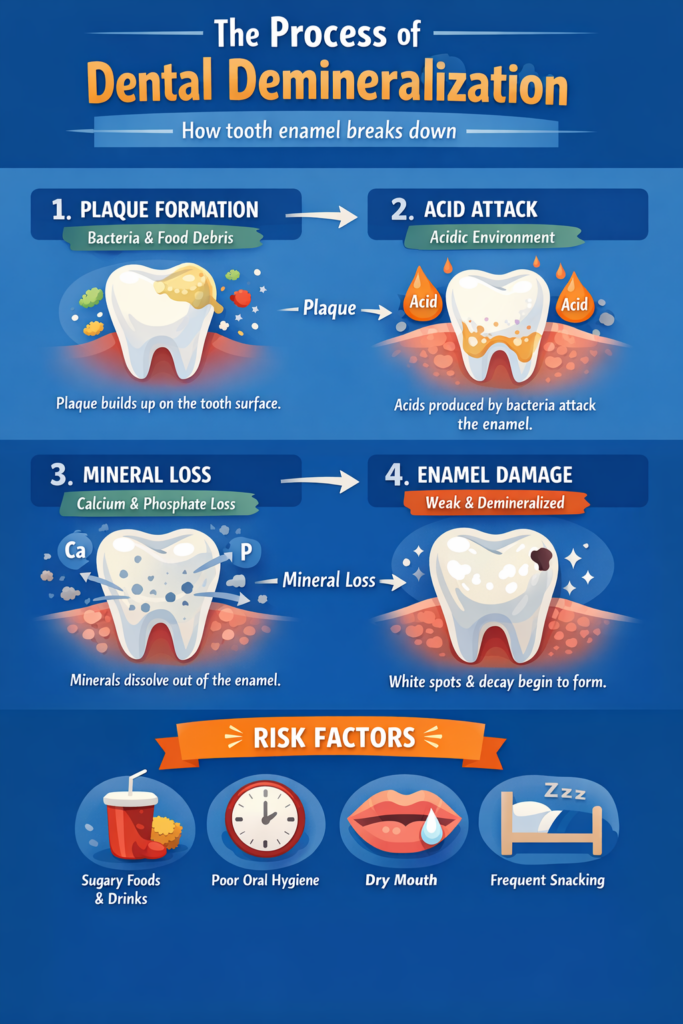
Bacteria in plaque consume sugars and release acids. These acids pull calcium and phosphate from enamel. This is called demineralisation.
Your body constantly tries to fight back. Saliva delivers minerals to rebuild weakened enamel, a process known as remineralisation.
When remineralisation keeps up, the tooth stays healthy. When acid attacks win, damage progresses.
The First Visible Warning Sign
Early decay may appear as a dull white or chalky patch. At this point, the surface remains intact, even though it has softened.
This stage is critical because it is the window where reversal might happen.
What Happens If the Process Continues?
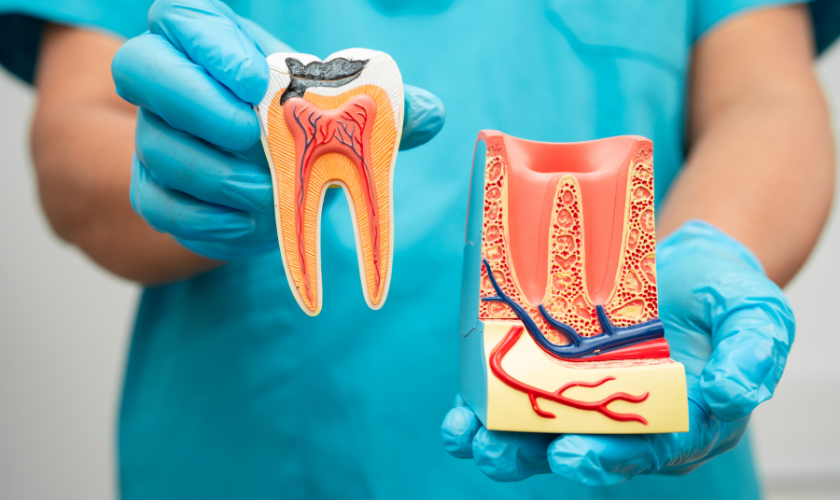
If minerals continue to dissolve, enamel eventually collapses. A cavity, meaning a physical opening, develops. Bacteria now gain deeper access, and the body cannot rebuild the missing structure.
From here, treatment shifts from prevention to restoration.
What Scientists Mean by “Reversing” a Cavity
Reversal does not mean growing a brand-new tooth surface. Instead, it refers to stopping early damage and rehardening enamel before it breaks.
Clinical studies show that fluoride, calcium, phosphate, and healthy saliva flow can significantly strengthen early lesions.
However, once cavitation occurs, no toothpaste, vitamin, or rinse can close the hole.
This distinction is where many misunderstandings begin.
Why Early Detection Matters So Much
Most early cavities are painless. Without regular exams, patients often assume everything is fine.
By the time discomfort appears, decay may already be advanced.
Through preventive care in West Jordan, dental teams monitor subtle changes, allowing intervention long before a filling becomes necessary.
Methods That Truly Support Natural Repair
There is no magic shortcut, but research consistently supports several protective habits.
Fluoride: The Gold Standard
Fluoride strengthens enamel and helps it resist future acid attacks. It can even attract minerals back into weakened areas.
Professional treatments provide higher concentrations when risk is elevated.
Consistent Home Hygiene
Brushing twice daily with fluoride toothpaste and cleaning between teeth disrupts bacterial buildup. Less plaque means fewer acids.
Routine is powerful.
Nutrition and Frequency of Eating
It is not only what you eat but how often. Frequent snacking repeatedly lowers mouth pH, giving enamel little time to recover.
Drinking water and limiting sugary exposures help saliva do its job.
Supporting Saliva
Saliva neutralises acids and carries essential minerals. Hydration, sugar-free gum, and medical management of dry mouth can all improve protection.
Popular “Natural Cure” Claims Under the Microscope
Some online advice mixes small truths with big exaggerations.
Oil pulling may reduce certain bacteria, but there is no strong evidence that it reverses cavities. Activated charcoal can be abrasive and may wear enamel thinner. Eliminating fluoride removes a key defence that decades of data support.
Evidence-based dentistry welcomes natural support strategies, but it does not replace proven science.
When You Definitely Need Professional Treatment
If your dentist sees a break in the enamel surface, natural reversal is off the table. The area will trap bacteria and continue to enlarge.
A small filling removes decay and seals the tooth, preventing deeper infection.
Waiting usually leads to bigger procedures, not fewer.
How Preventive Dentistry Minimizes Risk
Prevention is not passive. It involves active monitoring, early intervention, and personalized recommendations.
Patients receiving preventive care in West Jordan often benefit from:
- professional cleanings
- risk assessments
- sealants when appropriate
- fluoride support
- dietary guidance
These measures dramatically reduce the chance of advanced decay.
The Financial Side of Prevention
Small preventive steps cost far less than restorative work. A routine visit can stop damage that might otherwise require a crown or root canal.
Knowledge and timing make a major difference.
A Balanced Perspective on Natural Healing
Your body is impressive. It can repair microscopic damage every day. But it cannot regenerate large amounts of lost enamel.
Respecting both the power and the limits of biology helps patients make smarter decisions.
Building a Strategy That Works
The best approach combines strong daily habits with regular professional oversight. When something suspicious appears, it can be handled quickly.
This teamwork model is the heart of effective preventive care in West Jordan.
Conclusion
Can cavities be reversed naturally? Yes—but only at the earliest stage, before enamel collapses. Research clearly shows that remineralization can strengthen weakened areas when supported by fluoride, saliva, and proper hygiene.
Once a hole forms, professional repair is necessary to stop bacteria from advancing.
The most reliable path to avoiding major dental work is not chasing miracle cures. It is consistent prevention, early detection, and expert guidance.
If it has been a while since your last exam, a visit can determine whether an area is reversible or requires treatment. Acting early protects both your smile and your wallet. Schedule your appointment now!
FAQs
1. What is the earliest stage of a cavity?
It begins as mineral loss that may appear as a white spot. At this point, reversal might still be possible.
2. Can mouthwash heal tooth decay?
Fluoride rinses can help strengthen enamel, but they cannot rebuild areas where structure is missing.
3. How long does remineralisation take?
It varies by individual risk and habits. Consistent care over weeks or months is usually required.
4. Are fillings avoidable if I improve my routine?
If decay has not formed a hole, better habits may stop progression. Once cavitation occurs, restoration is needed.
5. Why are checkups important if nothing hurts?
Early cavities are often silent. Exams catch them before they become painful or expensive.