8846 South Redwood Road, Suite N 201 West Jordan, UT 84088
Dental implants are often considered the gold standard for replacing missing teeth. They not only look and feel natural, but you can also eat with confidence. One of the first questions that many people ask about dental implants is a rather simple one: how long will they last? The good news is that a properly placed dental implant in West Jordan has the potential to last for decades and even a lifetime. But, just like anything else in this world, there are some rules to follow to make it last. In order to help you make an intelligent investment in your own health and minimise any potential problems that you might face later on, let’s examine what research and experience tell us about the lifespan of dental implants.
What is a Dental Implant?
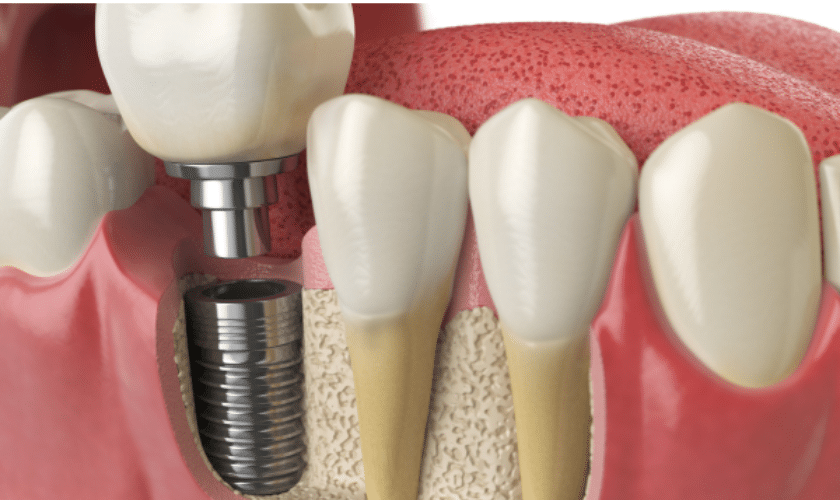
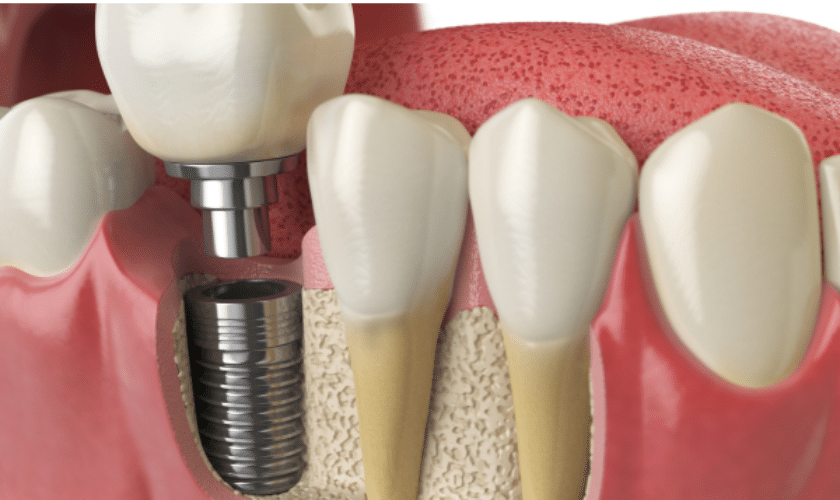
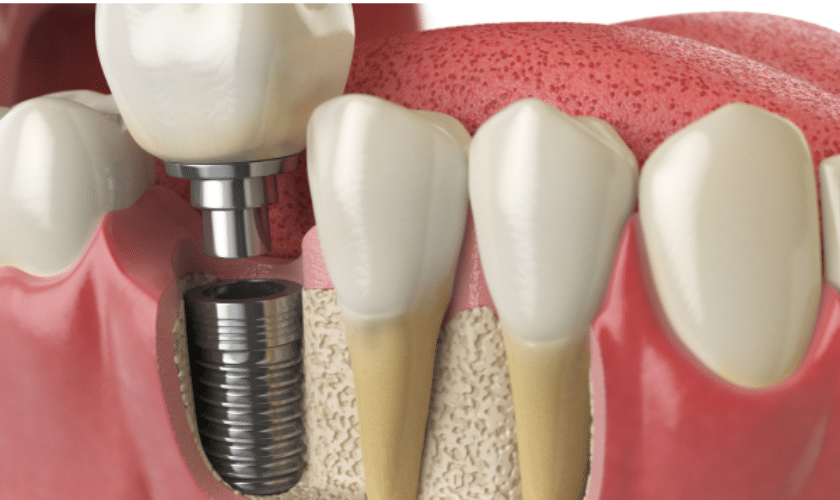
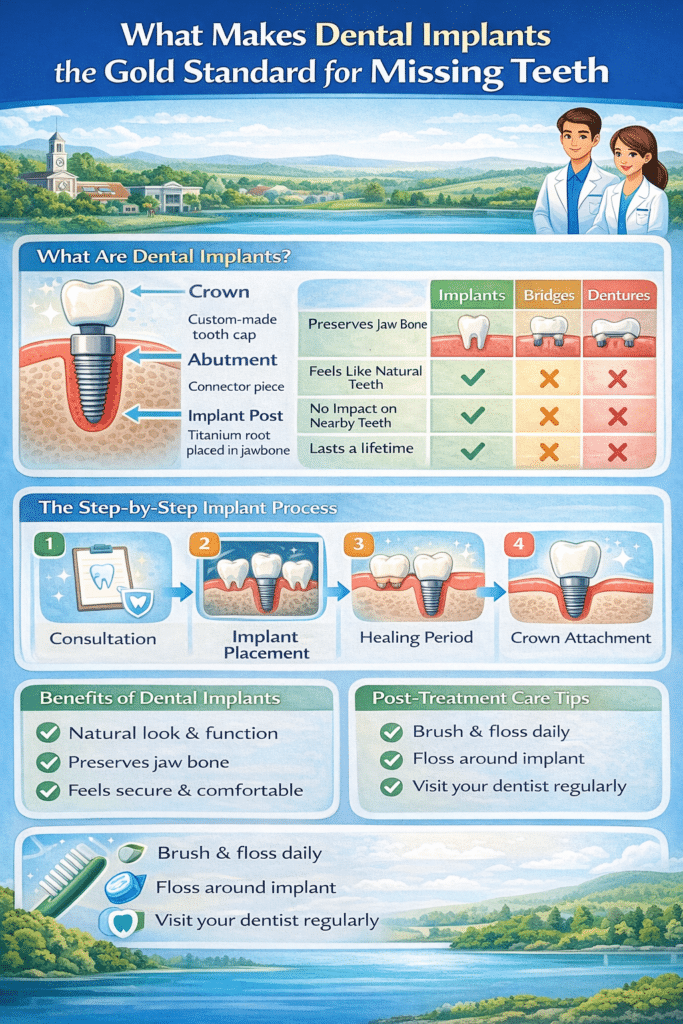
A dental implant is a small titanium device inserted into the jawbone to serve as an artificial tooth root. In the long run, the bone tissue integrates with the implant through a process called osseointegration. After the healing process is complete, a connector and crown are placed to achieve a natural tooth look.
Because of this integration with bone, implants offer strength and function not always provided by dentures and bridges.
Average Lifespan of a Dental Implant in West Jordan
Survival rates have been proven to be between 90–95% after ten years of research. The post by itself will last a lifetime with proper care.
In addition, the crown that is fixed on the implant may not have the same lifespan and may have to be changed prematurely due to wear and tear, which occurs after 10-15 years.
This means that implants are one of the most enduring options currently available.
Implant Post vs. Crown: Why the Difference Matters
The titanium root is essentially very strong and resistant to decay. However, like natural crowns, there is exposure to daily biting. Just like natural teeth, restorations will, after some time, show signs of wear.
It is relatively easy to replace a crown, and it does not mean the implant has failed.
Why Dental Implants Last So Long
Several design features contribute to their longevity.
Biocompatible Materials
It is accepted by the body and allows attachment of bone. This gives a good, solid foundation just like a natural root.
Jawbone Stimulation
The reason why this implant is helpful is that it transmits all the forces directly to the bone, thus maintaining bone density. Bone shrinkage, which often comes with missing teeth, is never experienced with an implant because it supports bone preservation.
Independent Support
Unlike bridges, implants don’t depend on the adjacent teeth, and this does not put extra pressure on other parts of the mouth.
What Can Shorten the Life of a Dental Implant in West Jordan?
Even though implants are strong, certain factors can compromise them.
Poor Oral Hygiene
Even plaque formation can occur near the implants. Lack of brushing and flossing can lead to inflammation called peri-implantitis.
Smoking
Tobacco reduces blood flow and interferes with healing. Smokers generally face higher risks of implant complications.
Teeth Grinding
Excessive force from clenching can stress both the implant and the crown. Night guards are often recommended.
Skipping Dental Visits
Routine exams allow early detection of small problems before they become serious.
Daily Care for Long-Term Success
The maintenance of the implants is essentially similar to that required for natural teeth.
Brush your teeth at least twice a day using a soft toothbrush, especially during meals. You may use special tools to clean the space between your teeth, or use dental floss. You may also use antimicrobial products to kill bacteria in your mouth.
Good habits can greatly improve the odds of the dental implant holding up well for decades in the West Jordan area.
Cleaning Around the Gumline
The tissue surrounding an implant also has to be healthy. Cleaning should be done gently, thoroughly, and effectively to prevent inflammation or bone loss.
Professional Maintenance Matters
Even the best home care does not substitute for professional monitoring.
Dental teams inspect the bone levels, the force of the bite, and the security of the crown placement. Early interventions add substantially to lifespan.
We should think of these visits as preventive maintenance for a valuable investment.
Are Dental Implants Permanent?
They are meant to last a lifetime, and many actually do. However, a lifetime is entirely dependent upon health, hygiene, and other factors.
Patients who have regular care may experience exceptional durability.
Success Rates Continue to Improve
Advances in technology allow for a much more predictable implant placement than ever before, so patients are seeing the best and most successful methods of positioning and recovery.
Furthermore, as technology advances, the outcome becomes better.
How Age Affects Implant Longevity
Implants can be viable for adults of many ages. Many older patients are experiencing excellent results, especially in situations where medical conditions are controlled.
It is usually a question of the quality and health of bones, rather than one of mere age.
What Happens If an Implant Fails?
Failure is rare but possible. There may be an infection, a lack of integration, or an overload.
In many cases, the site can be treated and another implant placed once it has healed. Tending to it promptly will help.
Comparing Implants to Other Replacements
Dentures and bridges need to be replaced relatively sooner, as they may start to loosen, infringe on adjacent teeth, or fail to protect the underlying bone from resorption.
By contrast, a dental implant in West Jordan offers unmatched stability and preservation.
Nutrition and Lifestyle Choices
A balanced diet is essential for the immune system and tissue repair. Reducing the amount of sugar in the diet and staying hydrated is good for the implants and the natural teeth.
Healthy choices outside the dental office do make a difference inside the dental office.
Protecting Your Implant During Sports
Athletic activities carry a risk of trauma. Wearing a mouthguard shields your restoration and surrounding structures.
Psychological Benefits of Long-Term Stability
The reason why this implant is helpful is that it transmits all the forces directly to the bone, thus maintaining bone density. Bone shrinkage, which often comes with missing teeth, is never experienced with an implant because it supports bone preservation.
Small Problems Are Easier to Fix
Problems such as a loose screw, gum irritation, and a bad fit may be more easily fixed if they are detected sooner. However, waiting for a longer period may result in more serious problems, which may be averted.
The Bottom Line on Longevity
Implants are designed to last. With proper care, they regularly outlast other treatment options.
Conclusion
So, how long do implants last? In many cases, the answer is measured in decades. The titanium post can be expected to last a lifetime, but the crown may need to be replaced from time to time.
The key is partnership. Hygiene, healthy living, and regular checkups with a professional keep the foundation strong.
Dental Implant in West Jordan: It’s not just the tooth replacement, but the confidence and functionality that come with it. Schedule your consultation today! Your investment will pay you back every day of your life if you take good care of it.
FAQs
1. Can a dental implant really last a lifetime?
Yes. With proper hygiene and routine dental visits, the implant post often remains stable for life.
2. How often does the crown need replacement?
Many crowns last 10 to 15 years or longer, depending on wear and habits.
3. Do implants get cavities?
No, but gum disease can still affect the surrounding tissue and bone.
4. Is maintenance difficult?
Not at all. Brushing, flossing, and regular checkups are usually sufficient.
5. What is the biggest threat to longevity?
Poor hygiene and smoking are among the most significant risk factors.