8846 South Redwood Road, Suite N 201 West Jordan, UT 84088

Good advice about dental care is everywhere: you hear it from relatives, you read it online, and you see it spread like wildfire across social media. Some of the tips are useful. Others are outdated. A few are simply wrong.
The problem is, misinformation often sounds believable. Many individuals follow these ideas for years, thinking they are protecting their teeth, only to discover later that indeed they contributed to cavities, gum problems, or enamel damage.
A West Jordan dentist often encounters patients who, although with the best of intentions, were led down a path by myths rather than science. Here’s how knowing the difference between popular belief and professional fact can save you from discomfort, time, and money.
Let’s debunk the most frequent dental myths and talk about what to do instead to keep your smile healthy.
Why Dental Myths Are So Convincing
Simple answers are highly valued. Simple answers are easily retained. Simple answers are easily repeated. Oral health issues are not often simple. Teeth are living structures that are impacted by such things as bacteria, diet, heredity, saliva, medications, and habits.
It is possible that advice that used to be effective decades ago may not be the best advice based on the latest research. Information shared on trends posted by various sites may not provide all the safety considerations. Without proper guidance, one may easily go about getting the feeling of being productive while actually causing detrimental effects to one’s health.
Myth #1: If My Teeth Don’t Hurt, They Must Be Healthy
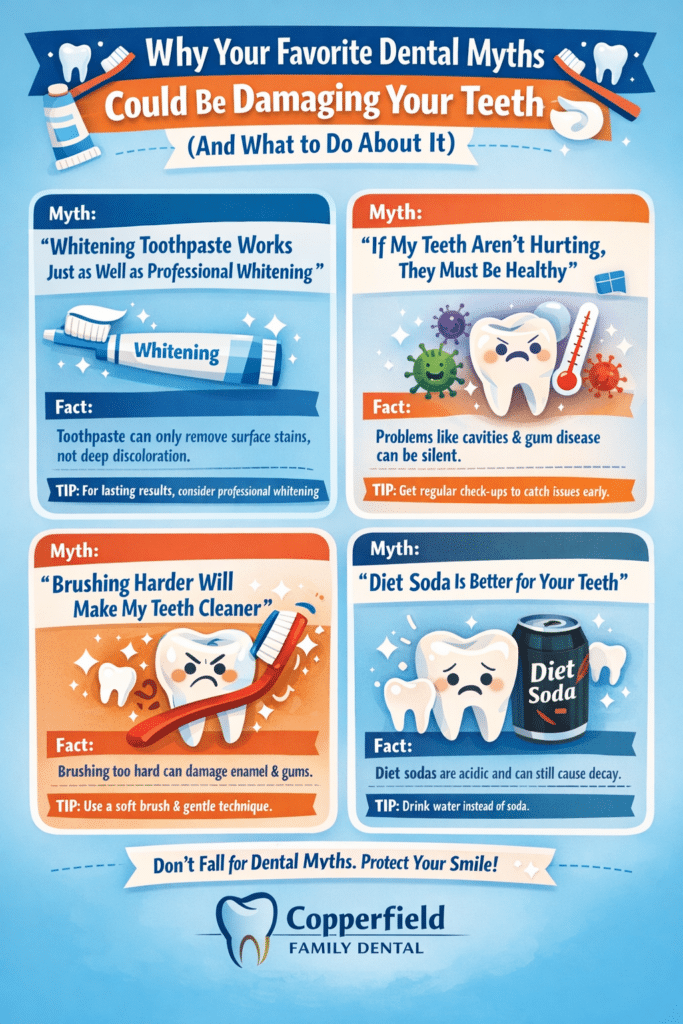
Pain seems like the obvious signal that something is wrong. In reality, many serious dental conditions develop without discomfort.
The Truth
Cavities can grow slowly and silently. Gum disease may progress for months before symptoms become obvious. Even infections at the root can remain hidden until they become severe.
By the time pain appears, treatment is often more complicated.
What Dentists in West Jordan Recommend
Schedule regular exams and cleanings regardless of how your mouth feels. Preventive visits allow professionals to catch issues early, when they are easier and less costly to fix.
Myth #2: Brushing Harder Means Cleaner Teeth
Scrubbing aggressively might make you feel like you are doing a better job, but your enamel disagrees.
The Truth
Brushing with too much force can wear down enamel, irritate gums, and lead to recession. Once enamel is lost, it does not grow back. Exposed roots can increase sensitivity and raise the risk of decay.
What To Do Instead
Use a soft-bristled brush and gentle pressure. Small circular motions, combined with the right amount of time, remove plaque effectively without causing damage.
Myth #3: Sugar Is the Only Thing That Causes Cavities
Many people blame candy alone, but tooth decay involves more than sweets.
The Truth
These are the result of bacteria feeding on carbohydrates and producing acid as a byproduct. Bread, chips, pasta, and dried fruits are just as capable of producing the same effect. Sticks that tend to linger longer are usually the worst culprits.
Frequent snacking can be just as damaging as eating sugary treats.
A Smarter Approach
Rinse with water after meals, limit grazing throughout the day, and maintain consistent brushing and flossing habits.
Myth #4: Whitening Always Ruins Enamel
Fear of damage prevents some people from considering safe cosmetic improvements.
The Truth
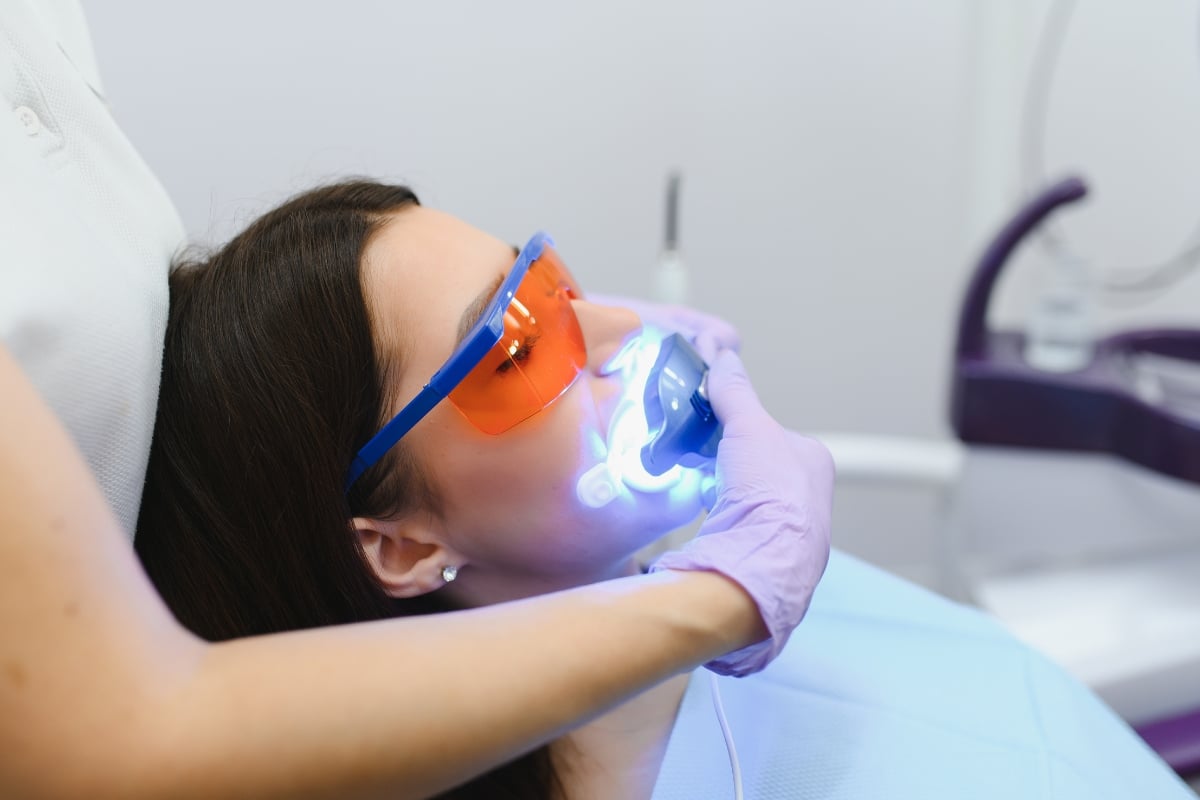
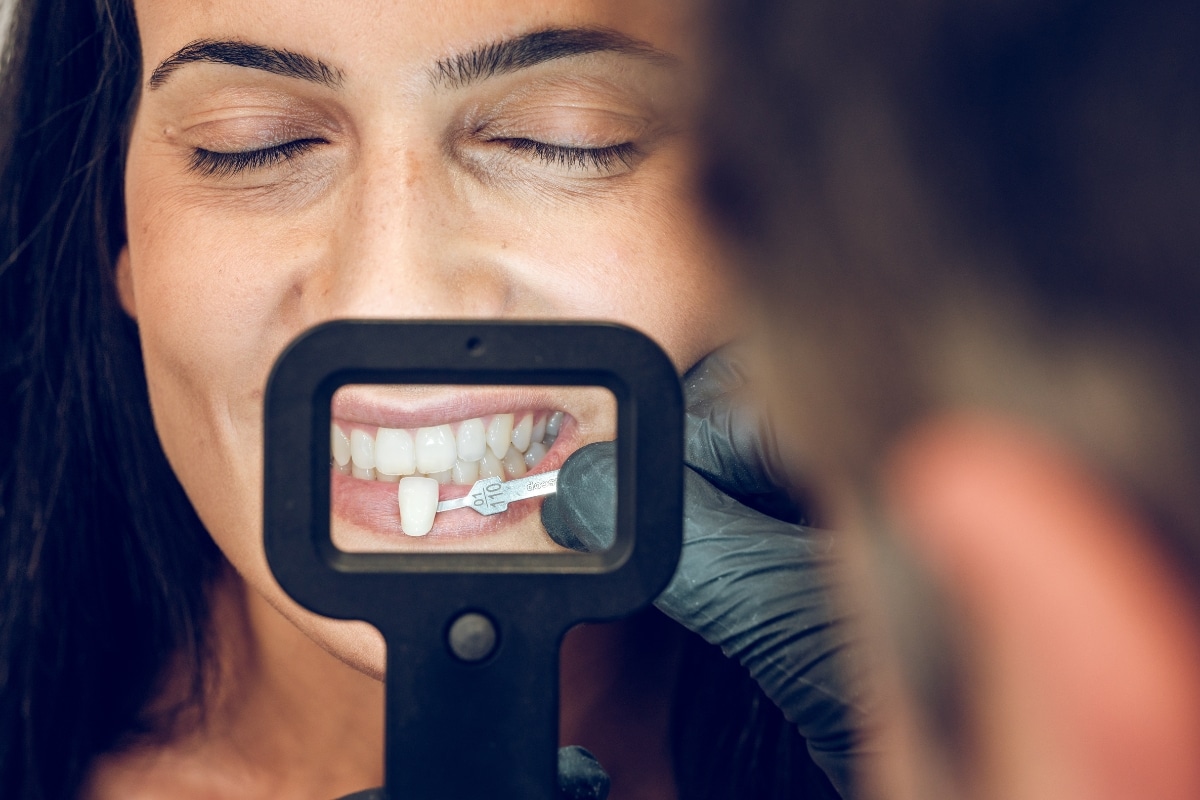
Professional whitening products are tested for safety. When used correctly, they do not remove enamel. Temporary sensitivity can occur, but it typically resolves quickly.
Trouble usually comes from overusing products or trying internet DIY methods without guidance.
The Professional Perspective
Dentists in West Jordan can evaluate your teeth, recommend appropriate options, and monitor your comfort throughout the process.
Myth #5: Flossing Isn’t Necessary If You Brush Well
Even excellent brushing leaves important areas untouched.
The Truth
Your toothbrush cannot fully clean between teeth. Plaque that remains in these tight spaces hardens into tartar and can lead to gum disease or cavities.
The Better Habit
Clean between your teeth every day. Floss, picks, or water flossers can all be effective when used properly.
Myth #6: Bleeding Gums Mean You Should Stop Flossing
Seeing blood can be alarming, and many people respond by avoiding the area.
The Truth
Bleeding is usually a sign of inflammation caused by plaque buildup. Skipping floss allows the problem to worsen.
What Helps
Gentle, consistent cleaning often improves gum health within days or weeks. If bleeding continues, it is time for a professional evaluation.
Myth #7: Chewing Gum Replaces Brushing
Sugar-free gum can feel refreshing, but it is not a substitute for hygiene.
The Truth
While gum may stimulate saliva and help wash away some debris, it does not remove plaque effectively.
Keep Expectations Realistic
Think of gum as a temporary helper, not a replacement for brushing and flossing.
How Following Myths Can Become Expensive
While minor misunderstandings alone may not seem major, the false information about oral hygiene techniques that individuals come to believe as a result of these misunderstandings has the ability to lead to costly procedures later on. This is because the false information causes them to procrastinate or develop techniques that gradually deteriorate the enamel of teeth and the gingival tissues.
Dentists in West Jordan frequently remind patients that most major dental procedures begin as small, preventable issues. What might have been corrected with a minor adjustment or early intervention can grow into a complex problem when myths guide decision-making.
Knowledge is one of the most potent tools available to mankind. Patients who have an accurate knowledge of their dental care needs greatly diminish the potential for needing expensive and traumatic treatments later on.
Where You Should Get Dental Information
Professional Training Matters
Dentists base recommendations on years of education, research, and clinical experience.
Every Patient Is Unique
What works for one person may not be right for another. Personalized advice ensures better outcomes.
Ongoing Support
Oral health needs change over time. Regular visits allow adjustments based on new conditions.
Daily Practices That Truly Protect Your Smile
Instead of chasing quick fixes, rely on habits proven to work.
Brush Twice a Day
Use fluoride toothpaste and spend at least two minutes cleaning all surfaces.
Floss Every Day
Removing plaque between teeth is essential for gum health.
Drink Plenty of Water
It supports saliva, which naturally protects enamel.
Limit Frequent Snacking
Give your mouth time to neutralize acids.
Visit Your Dentist Regularly
Professional monitoring catches early warning signs.
Helping Family Members Avoid Dental Myths
Share accurate information with children and loved ones. Encourage them to ask questions during dental visits. Building awareness early can prevent years of avoidable damage.
Conclusion
Dental myths survive because they are easy to repeat, but easy does not always mean correct. Waiting for pain, brushing too aggressively, skipping floss, or trusting online trends can gradually harm your teeth.
The path to a healthier smile is based on science, consistency, and professional guidance. By partnering with dentists in West Jordan, you gain reliable advice tailored to your needs and the opportunity to prevent problems before they start.
When you are unsure about a tip or trend, ask a trained expert. Accurate information today can protect your smile for decades. Visit Copperfield Family Dental if you have any doubts.
FAQs
1. Why do dentists in West Jordan recommend visits even if I feel fine?
Because many dental problems develop without pain. Exams help detect issues early before they worsen.
2. Can brushing too hard really damage enamel?
Yes. Excess pressure can wear enamel and cause gum recession, leading to sensitivity.
3. Are online whitening hacks safe?
Some can be harmful or ineffective. Professional guidance ensures safe, predictable results.
4. Is flossing every day truly necessary?
Yes. It removes plaque from areas your toothbrush cannot reach.
5. How can I tell if dental advice is a myth?
If it promises instant results or sounds too simple, confirm it with a dental professional.